
Earlier this year, I led a presentation on hip hop and street dance in cinema at the British Film Institute (BFI). The presentation was a part of Rip It Up, an all-day takeover dedicated to championing young curators and celebrating 75 years of youth culture in Britain. From the moment I sent my first email, to putting the whole deck together, to actually presenting on the day, I had to pinch myself. I couldn’t believe I would be in Southbank’s NFT3 theatre to talk through the personal and cultural impact of Honey and Step Up 2.
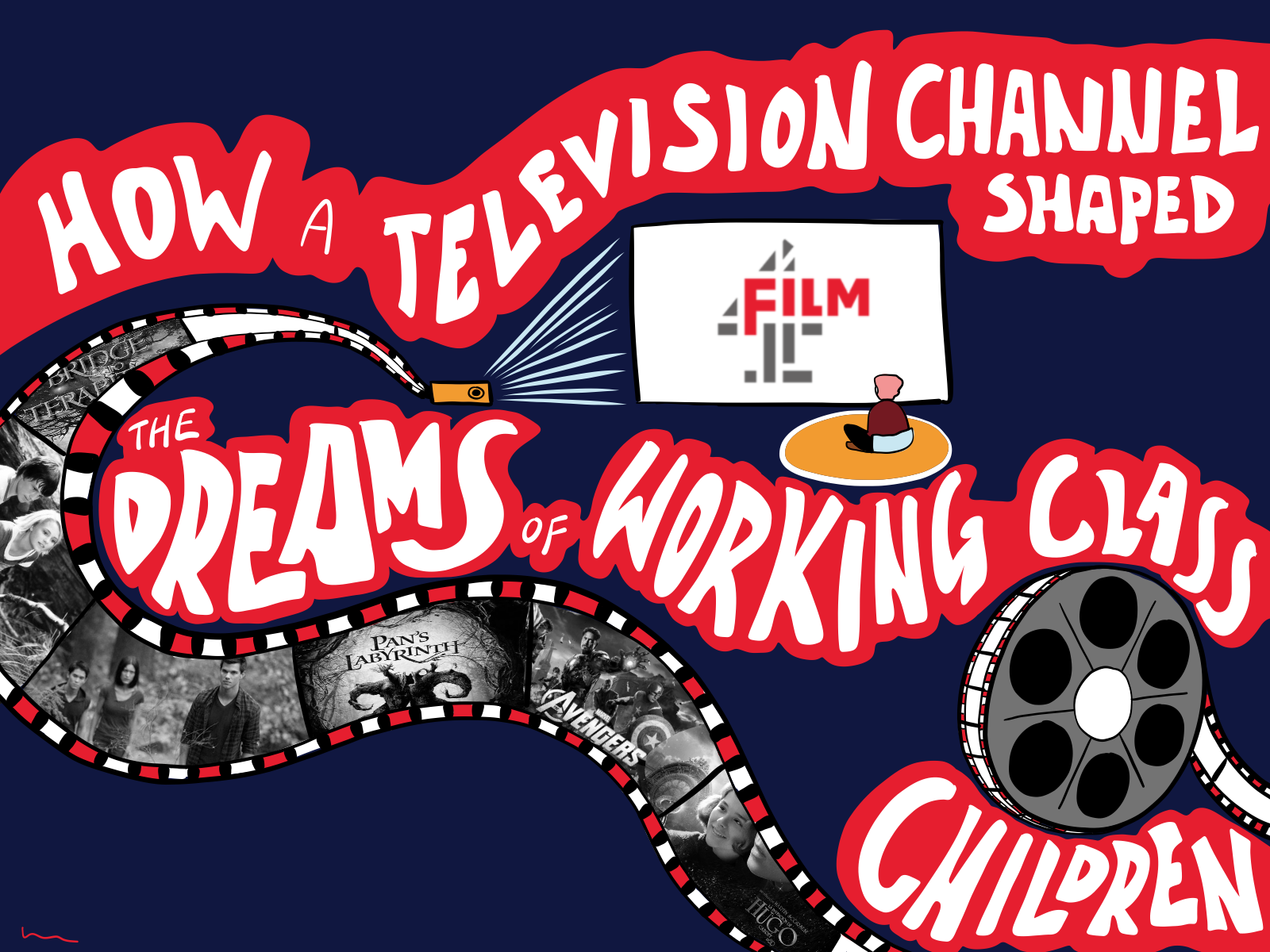
Though I wouldn’t necessarily have called it curation in the beginning, I first started articulating my thoughts about culture and film on social media during lockdown in 2020. But that passion began many years earlier, in the living room of my childhood home, when Film4 – Channel 4’s free-to-air public broadcast network – came to our screens 20 years ago. In the days after my presentation at BFI, I began to think about how I fell in love with cinema and how I wouldn’t appreciate, and sometimes even despise, certain films the way I do now if it wasn’t for Film4.
By broadcasting critically acclaimed and independent films directly into homes, Film4 removed economic barriers, democratising film culture and supporting many people like me to experience cinema. The access Film4 provided from its inception really sparked my imagination. It was Martin Scorsese’s Hugo, an ode to early cinema, which made me want to make films myself. From a young age, I imagined sharing my love of cinema with the world.
Given that I was five years old when the channel launched, I don’t know what the world looked like before Film4, though I remember the popularity of physical media like DVDs and VHS, where audiences indulged their curiosities by visiting their local video store. But frequent trips to Blockbuster weren’t possible for low income and working class families; in 2006, when Film4 launched as a free-to-air channel, a standard Blockbuster movie would cost between £3 and £4, with a £1 late fee per additional night. So in our home, we subsisted off pirated DVDs sold in markets, or library loans for new releases. Film4, then, was a transformative addition to my household.
A generation raised on Film4
My earliest and most vivid memories of watching telly come from Film4. I spent a lot of time as a child flicking through the different channels to find something that tickled my fancy, and would be found in the same position on the sofa hours later, engrossed in what I had been watching.
I wasn’t the only child whose world was transformed by Film4. Over the years, I have bonded with friends, peers and strangers about our favourite films, and many of us who grew up working class and are now in film and culture place Film4 at the centre of their creative journeys.
Mayowa Amolegbe is a journalist whose work covers visual arts and culture. I first came across her work when she reviewed Akinola Davies Jr’s My Father’s Shadow for The Culture Crypt. When we speak, Mayowa tells me how Film4 not only supported her with access to arthouse films but ensured that she could engage with huge cultural blockbusters like the Marvel franchise releases and iconic Twilight marathons.
“It brought us into that zeitgeist and those important moments,” Mayowa explains. “As someone whose childhood consisted of trying to fill in the blanks of popular culture, this meant a lot. Film4 was one of my building blocks.” I felt the same when I saw people in my area wearing Twilight merch or reading the books at my local library. Because we were able to watch the films for free at home, we became a part of a shared phenomenon that many of us still reference now.
She reflects on her earliest memories of engaging with film. “I distinctly remember only going to the cinema like three times in my life, so Film4 was my main exposure to film,” Mayowa tells me. “It was such a foundational experience for me to want to write about films later on in my life.” Film4 was also where I would also watch my first blockbusters, Hollywood classics and independent British films. The world of cinema was introduced to me through this channel and I still find myself returning to the comfort of its programming and productions in my adulthood, recognising that the life I lead now wouldn’t be possible without its contributions and the possibilities it lent me.
I also spoke with Maia Ardalla, a cultural producer who works in film. She takes an audience-first approach to understand and support communities’ experiences of film and visual media. Last year, Maia co-created a series called BFI At Yours, focused on bringing free screenings into community spaces. “Film4 was a chance to see premieres, British cinema, international cinema all at the same time,” Maia explains. Film4 functioned as a crucial avenue into culture. “It was groundbreaking,” she says.
“Film4 was both a catalyst and a touchpoint,” Maia continues. “It was universal, in my universe of North West London, everyone was watching the premieres, and we would come in the next day to talk about it.” I can remember that feeling so clearly, too – watching a newly-released film on the network and being excited to talk about it at school the next day.
Shaping the minds of future filmmakers
Film4 wasn’t just formative for curators. It also sparked curiosities for future filmmakers, like Mohamed Mohamed (better known as Thrtnmo). Mo is a director and creative strategist who produces music videos, adverts and short films where he documents youth culture and underground rap in the UK. Growing up in Leicester, he began editing YouTube videos at 13 years old, building the foundation for him to pursue filmmaking and creative direction into adulthood.

“To have access to such a wide catalogue of films for free was life-changing for me,” he tells me with passion. “Obviously at times we wouldn’t be able to afford to go to the cinema, and we didn’t have access to French or Spanish films that were super sick, until Film4 came around.”
I couldn’t agree more with Mo. It was Film4 where I watched Pan’s Labyrinth for the first time. Though I can’t understand Spanish, Pan’s Labyrinth spoke to me, and immediately became one of my favourite films. It taught me about the universality of art, and how you don’t even need to know a language to understand shared emotion and messages – with imagination filling in the gaps. This is something that went on to shape my world view, from my earliest years.
My journey into film began with this channel. It was how I got into collecting DVDS – something I still do today – and running a film club in my twenties with my best friend. And now, I deliver presentations about cinema at community screenings at national institutions. I couldn’t have pictured any of this for myself when I was younger, especially when all that came out of my earlier trips to the cinema was a stolen bag of Pick’n’Mix. It all began with Film4.
What can you do?
- Support independent cinemas and filmmakers, go to film clubs, community screenings, engage with film archives, buy physical media, read film essays, put on Film4 and talk about cinema!
Follow these accounts to get you started:
- The Rio Cinema
- Bounce Cinemas
- London Palestinian Film Festival
- Tape Collective
- Ifriqiya Cinema
- Cinema For All
- Into Film
- ESEA Film Night
- Deeper into Movies
- Close Up Cinema
- Curated Community Cinema
- Black in Britain
- Other Cinemas
- UNDR LNDN
- MediCinema
- Brixton Community Cinema
- S.O.U.L Fest
- 3 to 1 Films
- Sapphic Cinema
- The Cinema Museum
- Umit & Son
- Fat in Film
- Sudanese Cinema, 1964 Onwards
- UK Asian Film Festival
- June Givanni PanAfrican Cinema Film Archive
- The Culture Crypt
- London Latino Film Festival
- Windrush International Caribbean Film Festival
- Minute Shorts
- Blue Screen
- Sosa’s House of Horrors
- Kino Library
- Invisible Women Archives
- Cinema for Gaza
- Young Nollywood Film Library
- Black Film Archive
- British Film Institute
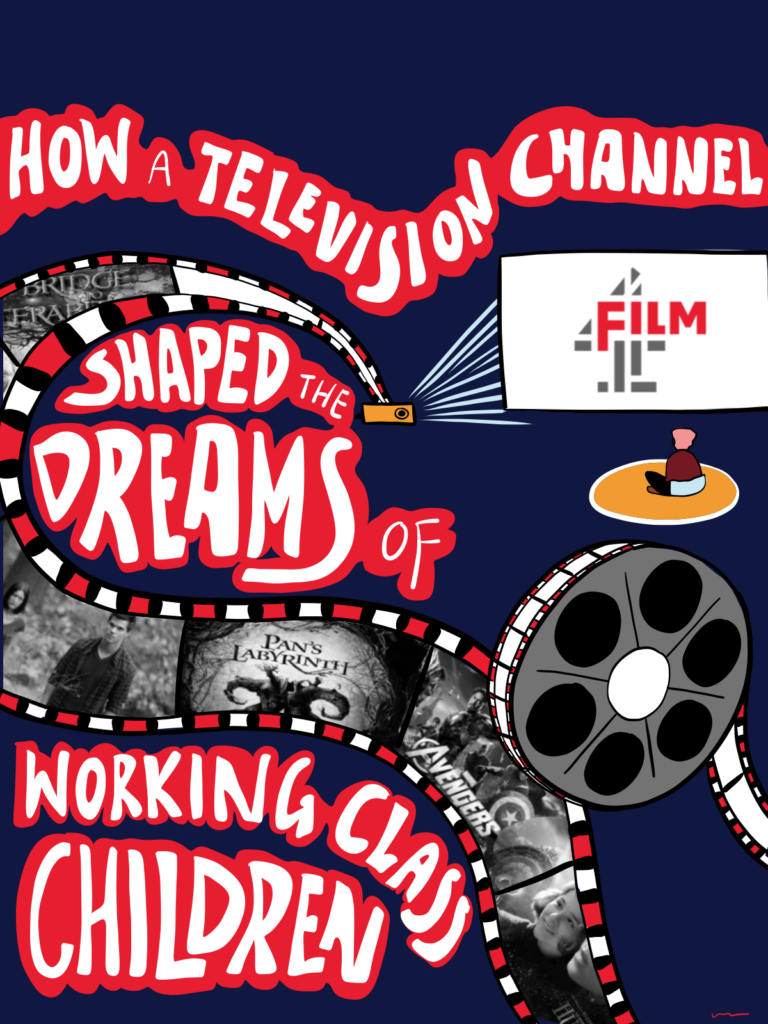 Image by @npl_illustration