
On the journey home from dinner at a new Nepali restaurant, I looked around at the friends I just dined with. They already had their phones out and were scrolling on Beli to pit the restaurant we just ate at against those they’ve previously been to. “It rated 7.9 for me”, said one friend. “I got 8.3”, said another. “It ranked higher than that Italian restaurant we went to last week,” responded the first friend.
Beli is a restaurant-tracking and recommendation app that lets you log, rank and map every place you eat at. It joins the ranks of Letterboxd, Strava and Goodreads in this day and age of datafying our hobbies and interests.
My experience on the train wasn’t a rare one; Beli rankings are often a part of the conversation amongst my Gen-Z friends and peers, as they compare their Beli rankings for the same restaurants amongst each other, or share their personal Beli list with people looking for restaurant recommendations.
A taste of Beli
I don’t get the hype around Beli. To me, it represents the algorithmification of dining out. It supposedly brings friends and people together over their food and restaurant opinions, but it really seems to be just another shiny new app that allows us to arbitrarily judge the dishes we order – and each other’s tastes.
I worry that this process is de-sensualising dining out experiences by turning a dinner with friends or family into an unserious game, and something competitive.
I’m not alone in preaching the pitfalls of Beli. “I originally liked Beli for the simple reason that it provided a convenient way to keep track of the restaurants I’ve been to,” explains a friend based in New York, where the app is most popular. “But the rating system’s insistence on comparing restaurants that ought not be compared was so frustrating that it eventually outweighed any benefit.” She quickly became disillusioned with the app after a few entries, not really understanding how the rating system operates on a level playing field for different eateries.
Did you prefer this fast-casual taco spot over the hole-in-the-wall biang biang noodles eatery? How does your pick compare against the upscale pizza place that uses seasonal ingredients? The app then offers your new entry a rating on a scale out of 10, which can be recalculated with every new entry, whether to a new restaurant or to one the user had eaten at before.
I get that it’s fun to track and see how the algorithm ranks or re-ranks a restaurant one recently ate at. But, when restaurants start displaying their placement at #5 on the most recent Beli Plated list on their front windows alongside the Michelin guide sign as a form of pride or drawing in customers, I’m worried that it’s become no longer that silly and meaningless.
It’s got me thinking whether instead Beli is promoting a hive mind-like approach to dining out that prioritises the reward of a review over the engagement in the ephemeral experience of a meal. It’s turning eating into a measure of productivity and output, when oftentimes no two experiences are identical, even at the same restaurant. I question the value of pleasure and enjoyment derived from dining out when, as a society or generation, we opt for an algorithm over our own unique experience.
Beli-brained
Several times now I’ve eaten at a restaurant with a group of friends, and, when deciding what to order, they use Beli to see what other users got or recommended. During and towards the end of the meal, we talk about the dishes, what we enjoy and don’t. I’ve begun to wonder if the heart of these conversations lie in priming them for their impending Beli entries or connection over a meal. Often enough, when the meal wraps up, they almost immediately pull out their phones again to rate and review.
To me, this feels like a new phenomenon: Beli-brained behaviour.
The reasons drawing users to Beli are the same reasons why I couldn’t be further put off. I don’t understand how Beli’s functionality helps users define their taste, as the app’s founders claim, when it rates experiences almost purely by the food ordered by the diners and served that time.
What happened to looking at what’s available on the menu and thinking about what looks and sounds appealing at that moment? Beli now leads the dining experience, diminishing the element of spontaneity and adventure. I can’t count how many times I’ve seen pictures of plates at restaurants that have been highly ranked on Beli, only to wonder what exactly is the appeal other than recent virality or name recognition.
Without protecting, exercising and developing our personal choices, individual thoughts and opinions, as well as the gift of coming together to discuss them genuinely, I worry that we will lose the simple pleasure of enjoying cultural experiences and engagement for what they are.
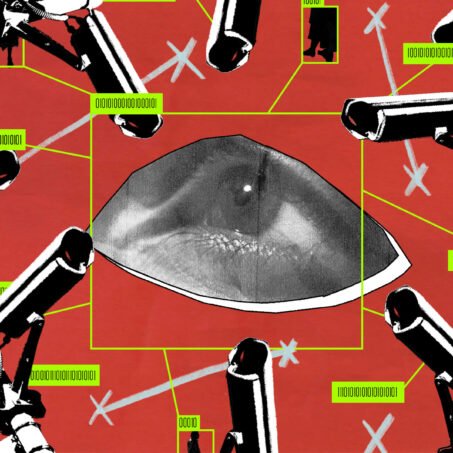
Faithfully, perhaps even mindlessly, using Beli, in addition to other rating apps, feels like paving the pathway towards further letting every part of our lives – from our work to our hobbies – be surveilled and monitored by oligarchs across big tech and government alike.
Death by Beli
The pressure of rating and the scrutiny of social media combined on one restaurant rating app makes me feel like some restaurants are at risk of being ruined by Beli.
Social media clout has always been a double edged sword for small businesses, and restaurants are no exception. I’m happy for eateries, many of them small or family-owned, that were previously struggling to receive the patronage they deserve. But these aren’t often the kitchens that earn clout on Beli. Those that do tend to be the top-ranked restaurants which churn out mouthwatering and eye-catching dishes and that ask diners to limit their meals to 90 minutes to maintain efficient table turnover for the next booking.
The reason I find Beli so bleak is because it treats dining out as something inherently transactional. And as its popularity swells, I fear its users are also buying into this logic. To me, the Beli phenomenon has centred the joys of sharing a meal – forming bonds, memories and community – on comparing scores out of 10.
On your marks. Get set. Rate?
I suppose I can’t blame my fellow Gen-Z peers for flocking to apps like Beli. We’re trying to thrive despite universally shit jobs and housing markets, salaries, cost of living and climate crises, domestic and global politics, and dating apps.

Join our mailing list
Sign up for shado's picks of the week! Dropping in your inbox every Friday, we share news from inside shado + out, plus job listings, event recommendations and actions ✊
Sign up for shado's picks of the week! Dropping in your inbox every Friday, we share news from inside shado + out, plus job listings, event recommendations and actions ✊
We’re being subjected to a culture that treats us as disposable – and many of us subject each other to it as well. Coming of age and figuring out what one truly wants for themselves and others in an era of ghosting, content-farming, online personas, or curated Instagrams, made many of us jaded, critical and insecure.
For those who can afford it, dining out makes for a great pastime and temporary reprieve from the social ills that plague us. Using Beli – along with other review and hobby tracking platforms – extends that sense of agency and control we otherwise lack into this activity. We’re being mined by big tech for our data, so the least we could do is analyse our own as a part of this fun hobby.
At the dining table, Beli offers its users the chance to become critics in their own lives through judgement, perceived expertise, selection and control. The restaurant staff are the competitors (or players) of these diners’ concocted competition (or game) and the dishes they serve are objects under inspection.
Striving (and failing) for Bourdain and Bourdieu
During a recent dinner out with a friend, she whipped out her phone to take a picture of each dish after it arrived. “I’m on Beli,” she tells me. When I told her that I was writing a piece about why I don’t like the app, she agreed with me. We followed up on message after, where she wrote:

“As a [new] beli user, I like to see where my friends have been going, and enjoy comparing my ratings with friends who share a meal with me. But I don’t believe in the rankings because tastes evolve, and keeping the rankings truly up to date requires constant calibration….”
Beli prides itself in offering personalised tastes to users based on their rankings (data) and curating a ‘personal restaurant critic’ for them. But why is there that constant need to use algorithms and apps to offer a personalised touch when we can do it ourselves? Neither Beli nor the Michelin guide should hold any sense of weight in determining the best and most worthy restaurants around.
Even on Reddit, there are posts that dare ask an audience of loyal Beli fans what is so special about the app, posing questions such as, “Am I Missing The Point?” and “Whats wrong with beli?” Sifting through the replies of the latter post, I was amused to read:
“[What Beli creates is] definitely a culture of conspicuous consumption, and sometimes I feel like the ratings, recs, and lists have ‘MBA consultant energy’. The culture Beli sets around food is this constant need to have the “greatest gastronomic experience of your life on a weekly basis” (or daily if daddy’s money).
I like it best when I avoid all the weird consumerist and influencer crap and use it with my friends.”
Curating our own taste, as well as valuing our own curiosity and exploration, should not be something we shy away from. Beli seems to democratise ‘tastemaking’ and make it accessible, but I fear it will cost us the possibility and propensity of expanding our community beyond just diner-to-diner interaction.
If, in spite of the above, you are intrigued enough to experience Beli yourself, I won’t stop you. But I hope I’m able to sow a seed of realisation that this gamification of food narrows our tastes and makes us lose sight of what can make dining out great.
What can you do?
Read:
- It’s great to understand how food writers are making sense of the Beli phenomenon, and even engaging in it themselves.
- While I don’t condone nor read the New York Times (Crimes), a story on Beli does appeal to their audience, which perhaps further explains my disdain for the app and its intended purpose.
- With Beli’s popularity amongst university students across America, plenty of them have written about the Beli effect from UC Berkeley and Stanford, as well as UCLA, to Penn State, Brown, notably Harvard, where the app’s founders attended business school and launched the app, and of course NYU.
Explore:
-
- This could be as simple as going to an eatery where you’re a regular at and ordering a new dish if you haven’t yet tried the entire menu. Chances are you may not like it, but questioning why that is and understanding the nuances of your likes and dislikes will help shape what dish, cuisine or restaurant you might be curious about next.
 Image by Driss Chaoui @kalakal.klk