
It’s been 20 years since the beginning of the #MeToo movement, and 10 since it exploded into a mainstream reckoning: a wave of collective action sweeping Hollywood, academia, and the halls of political power. Looking back, #MeToo has been a watershed moment in exposing just how pervasive rape culture is at all levels of society, and it paved the way to break the suffocating stigmas that kept survivors silent.
But after the chants fade – what comes next?
Now, at a time when powerful abusers are ducking accountability for their actions, justice remains frustratingly out of reach. One in four women in North America experience sexual violence in their lifetime. A smaller fraction report it. Only one in five of the cases reported make it to trial. Throughout, survivors are subjected to a dehumanising process at the hands of police, prosecutors, defence lawyers, and judges trying to determine if their trauma meets the threshold to dole out consequences for the accused. And ultimately, only about one in nine of these cases end in convictions.
And then, what does conviction serve? One more person incarcerated, subjected to the inhumanity of the criminal justice system, and no dent in the thorny, extensive roots of our enduringly patriarchal, violent, and misogynistic culture.
As feminists and abolitionists, we must reckon with the fact that we can’t rely on the justice system to solve the extensive collective trauma of rape culture. The system is not just abysmal at preventing and addressing the root causes of harm, it actually serves to recycle violence and trauma – driving it deeper and deeper into society.
Fast forward to 2026. It’s about time we imagine a better vision of justice. And activist, advocate, and survivor Marlee Liss argues that restorative justice might be the solution.
Seven years ago, Marlee led a groundbreaking fight in the Canadian court system to resolve her rape case with restorative justice – a journey chronicled in a documentary, The Limits of Forgiveness, released at the end of 2025. I spoke to Marlee over Zoom after the premiere, to learn more about her experience, her advocacy, and how it meets the current moment.
A third way
When Marlee first decided to report her assault in 2016, she felt it was the right thing to do to hold her assailant accountable. But what she didn’t know was that she was signing up for an “inhumane” process of bringing her case through the court system.
Three years in, Marlee felt that her only choices were dropping charges and doing nothing, or continuing with a court process that stripped her of her dignity and agency – neither of which felt healing.
“I remember feeling, this process isn’t aligned with what I need, this isn’t good for my mental health. Acquittal is almost guaranteed. And even if it does end with incarceration, that doesn’t line up with the victim’s actual needs,” Marlee says, punctuating each phrase with a shake of her head. “Every step of the way, I felt like I was losing faith in the court process. By the time I was subpoenaed for the criminal trial, I was really desperate for something else. Eventually, I learned about restorative justice.”
What is restorative justice?
To most people, restorative justice is an unfamiliar concept.
“I get these comments from, like, internet trolls and whatnot,” Marlee says in the documentary. “Like, you asshole, you let a rapist walk free. If he does this again, it’s your fault.”
Our colonial justice systems are designed to hold people accountable for causing harm by doling out punishment. Rooted in fear and violence, courts are meant to determine guilt, and demand that guilt be absolved through suffering. We deal with social ills by excising them and putting them out of sight and out of mind – from prisons to asylums.
Practitioners of restorative justice see the colonial justice system as one that perpetuates a cycle of harm and violence, rather than addressing it sustainably. Through her work with Canadian First Nations communities, Marlee met Indigenous advocates for restorative justice. As she learned more about the core principles of the practice, she felt like her needs as a survivor were finally being seen.
“There are a lot of people who are really scared of this conversation because we’ve been taught to equate justice to punishment for a really long time,” Marlee tells me. “People will often think that we’re saying we should let perpetrators off the hook, and that’s not at all what restorative justice is about. It’s about actually making processes that are more compatible with accountability and community safety.”
Long before the existence of any colonial codes of justice, communities across the world have practiced forms of restorative justice. Addressing disputes in small communities demanded an approach that recognised harm as interpersonal. Restorative justice focuses on bringing perpetrators and survivors of harm, their families, and their communities together to address problems collectively, express accountability and forgiveness, and – importantly – reconcile, heal and move on.
Today, we often see restorative justice applied on a large scale to address society-wide traumas both too extensive and too granular to be addressed by a rigid justice system – in post-genocide, or post-apartheid societies, for example, where justice, truth, and reconciliation need to be applied in a way that knits communities together, not tears them apart further.
And Marlee wondered: why not apply this in her own fight for justice as a survivor?
 Still from the documentary
Trauma ripples, but healing also ripples
With the support of her prosecutor, she proposed a deal to her assailant: We’ll drop all charges, if you agree to participate in a restorative justice process. He accepted.
Join our mailing list
Sign up for shado's picks of the week! Dropping in your inbox every Friday, we share news from inside shado + out, plus job listings, event recommendations and actions ✊
Sign up for shado's picks of the week! Dropping in your inbox every Friday, we share news from inside shado + out, plus job listings, event recommendations and actions ✊
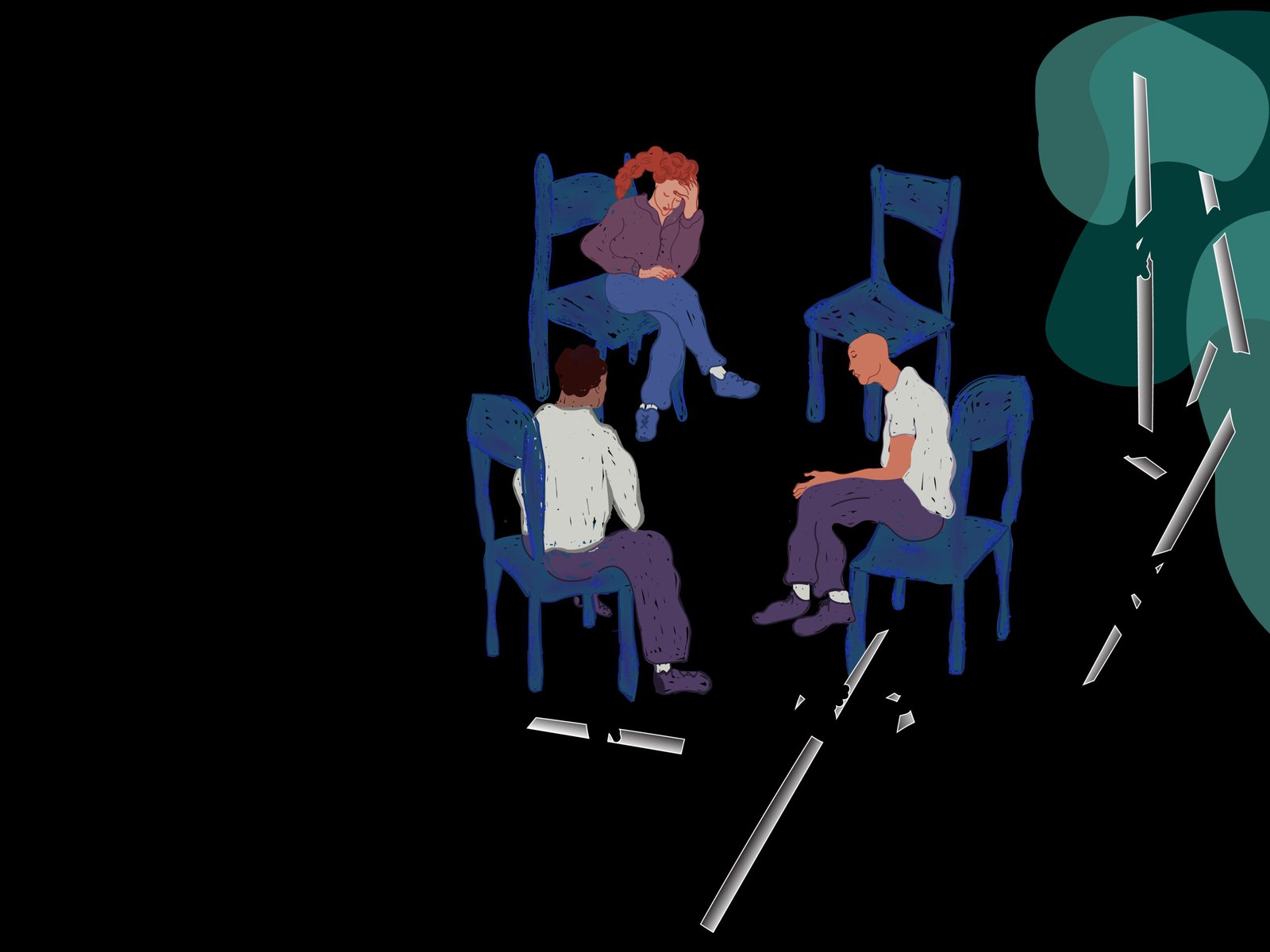
After a seven-month period, where her assailant went to therapy, where facilitators designed trauma-informed structures and safety plans, and where Marlee focused on healing – she finally had a chance to meet her rapist face-to-face in a healing circle.
“It blew my mind in terms of how healing it was,” she tells me.
The critical difference for her? The restorative justice process was rooted in care, healing, and centred the survivor’s needs. The healing circle experience prioritised what was important to her: accountability, and a genuine feeling of being seen, heard and acknowledged – something that the court system diminishes by design.
From the start, Marlee argues, everything about the process of taking a rape case to trial inhibits the kind of healing and accountability that treats both the accusor and the accused as complex human beings. The court works to keep them apart, unable to ask questions or seek answers, except through proxies and a rigid interface that promotes mistrust and fear. They’re educated in the core binary of the justice system – one person must be in the wrong, and one person must be in the right. And proving that you’re in the right means brooking no argument, conceding no ground, and playing your part.
For the accused, there is no benefit to taking accountability – Marlee tells me that in the circle, her assailant shared that from the start he was instructed to not admit to anything, and stick to a narrative where he did nothing wrong. And Marlee was told she had to put on the persona of a carefully curated victim, all while reliving immense trauma.
In the circle process, sitting face-to-face in an intentional environment set up for healing, Marlee found relief in being able to demand answers, and voice her experience in a way that was “completely uncensored.” The circle also included members of her family and her community that had the chance to voice how they were affected by harm and to heal in their own right.
“One of the most commonly reported needs survivors have is wanting their assailants to take accountability. I actually got to experience that accountability, to hear my assailant own what he did and reflect on what he was now doing differently to make sure that never happens again,” Marlee says. “And as part of this process where I was experiencing closure and justice, my mom and sister got to experience that healing as well. Trauma ripples, but healing also ripples.”
For Marlee, justice wasn’t just about reliving one awful moment, it was having the space to contextualise it in her past, present, and future to the person that committed the harm, and to have him see her as a full person — not just a name on a lawsuit, or an opponent in court.
A prescription for society-wide healing
While the #MeToo movement revealed deep veins of trauma running through the bedrock of our society, Marlee argues that the solution isn’t about “throwing people away,” or locking them up.
“People are growing tired of a punitive culture,” Marlee says. “People are realising that, maybe it’s not just punishment or passivity. Maybe there’s another way.”
The problems that we are dealing with can’t be dealt with in isolation – they are part of an embedded harm that affects us on a macro- and micro- level. In this context, restorative justice can offer a stronger, more sustainable path for survivors and for society writ large.
Marlee continues: “I think this conversation opens the door to say, what is another pathway forward in terms of justice and healing? It’s more strategic, asking: how do we actually break cycles of violence? How do we actually dismantle rape culture? How do we actually allow survivors to access a version of justice that’s healing rather than something that’s recreating the harm?”
Marlee’s advocacy has inspired survivors across the globe to implement restorative justice processes in their own healing, and in their communities. In 2024, she founded Survivors 4 Justice Reform, (S4JR) an organisation dedicated to building this community of people, platforming their stories and experiences, and advocating for survivor-centred alternatives to the carceral criminal justice system. With a global reach, S4JR aims to do the hard work dismantling the thorny, persistent narrative that justice can only work in one fashion, and fight for healing and liberation.
Restorative justice is both time-tested and radical. It’s rooted in years of experience, but newly reimagining a recalcitrant system. Between the false binary of being passive or punitive, it reminds us that we can, and must, demand better. By opening honest dialogue about what accountability and justice look like – for individuals and for a community, in the past, present, and future – restorative justice could be a prescription for society-wide healing
What can you do?
- Watch trailer for The Limits of Forgiveness
- Check out Survivors 4 Justice Reform, join the coalition or be in community with other survivors at advocacy events – there may even be a chapter in your area!
- Learn more about restorative justice for survivors at marleeliss.com/resource
- Read shado’s Knowledge Page on ‘What is Abolition?’
- Check out shado’s ‘Transformative Justice & Conflict Resolution’ toolkit
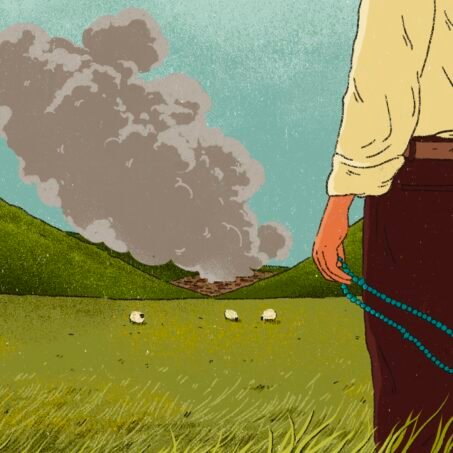
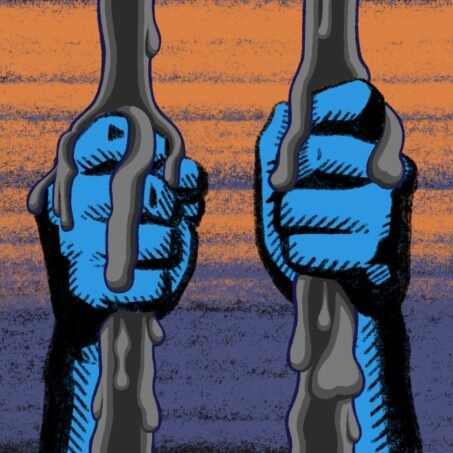
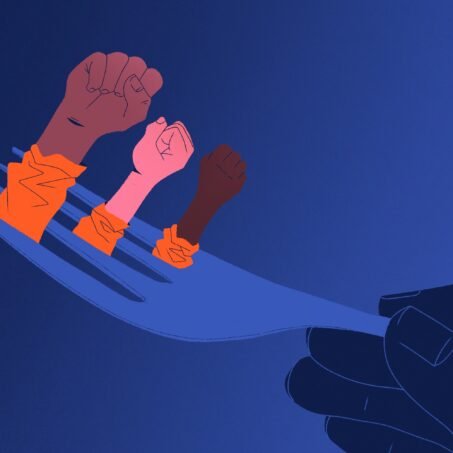
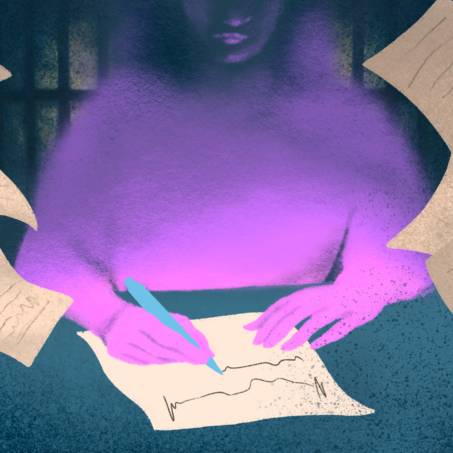
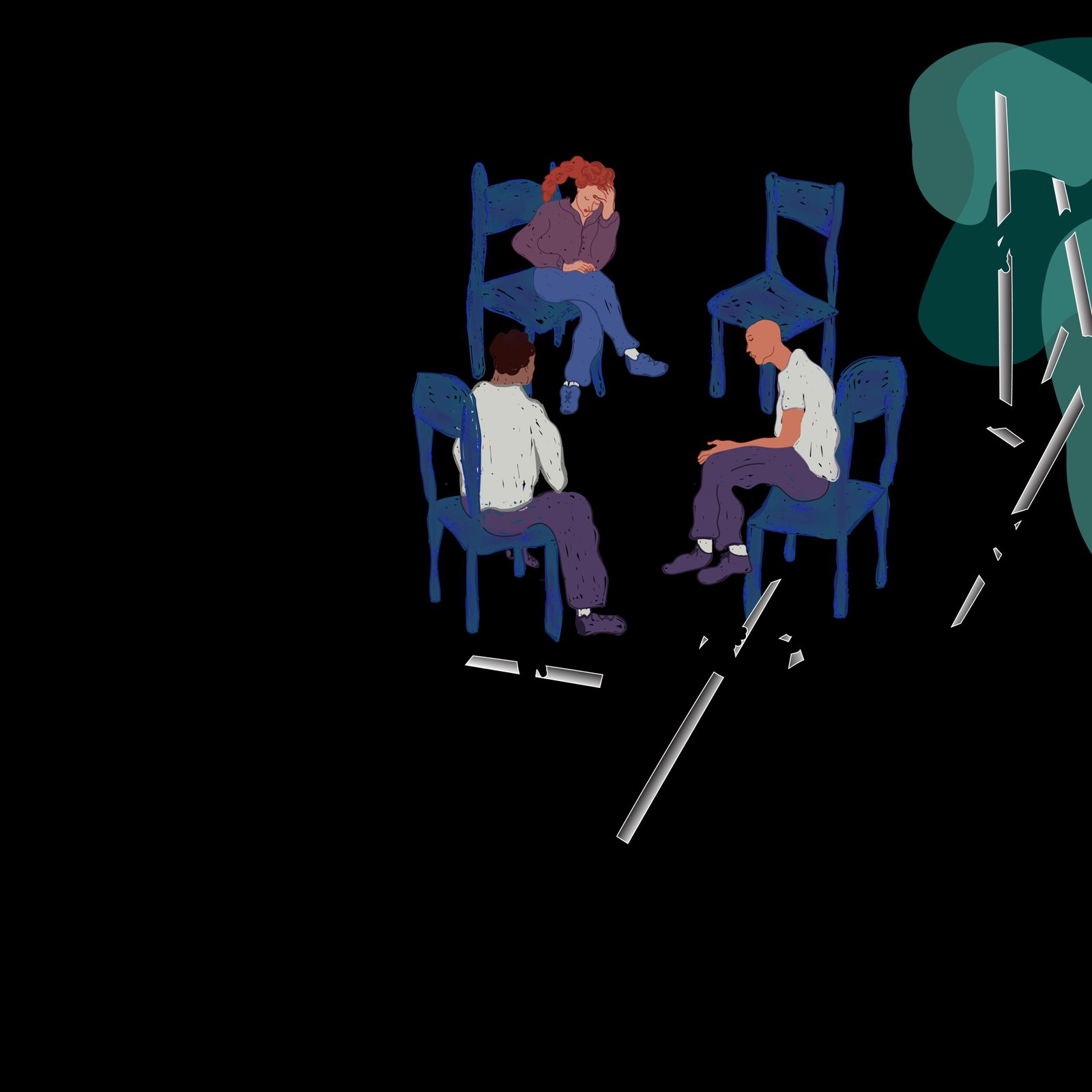 Illustration by @hayfaachalabi who says: “The illustration takes inspiration from the case of Marlee Liss who received restorative justice that transcended prison walls and offered her a coherent narrative from her abuser, their accountability, and reassurance that they won’t commit the same abuse again.”